Yew Tan C, Virtue S, Murfitt S, Roberts LD, Phua YH, Dale M, et al
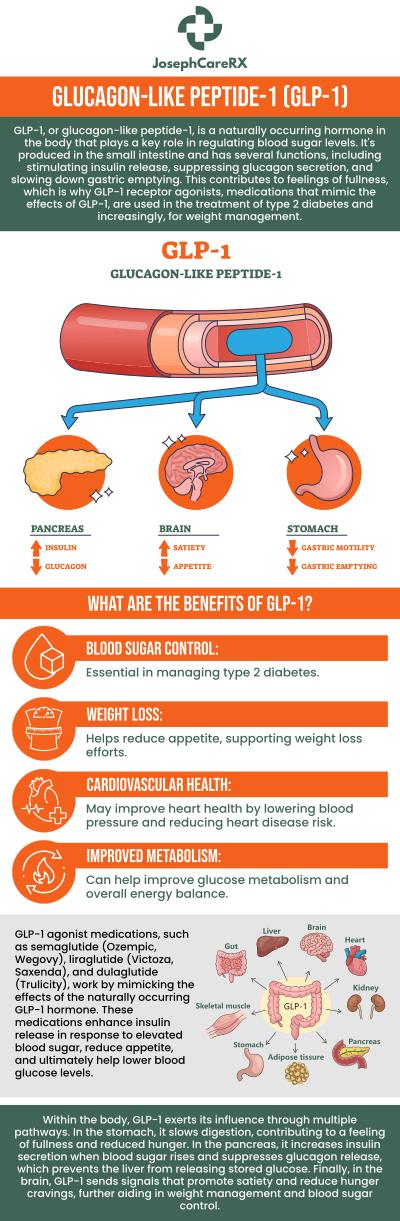
At the same time, sucrose, artificial sweeteners, and umami stimuli promote NPY and GLP-1 secretion from mouse circumvallate taste buds (62)
Sobos guidance
Currently, Carnitine-Acylcarnitine Translocase Deficiency Disorder may not be preventable, since it is a genetic disorder Genetic testing of the expecting parents (and related family members) and prenatal diagnosis (molecular testing of the fetus during pregnancy) may help in understanding the risks better during pregnancy If there is a family history of the condition, then genetic counseling will help assess risks, before planning for a child Active research is currently being performed to explore the possibilities for treatment and prevention of inherited and acquired genetic disorders Regular medical screening at periodic intervals with tests and physical examinations are recommended What is the Prognosis of Carnitine-Acylcarnitine Translocase Deficiency Disorder

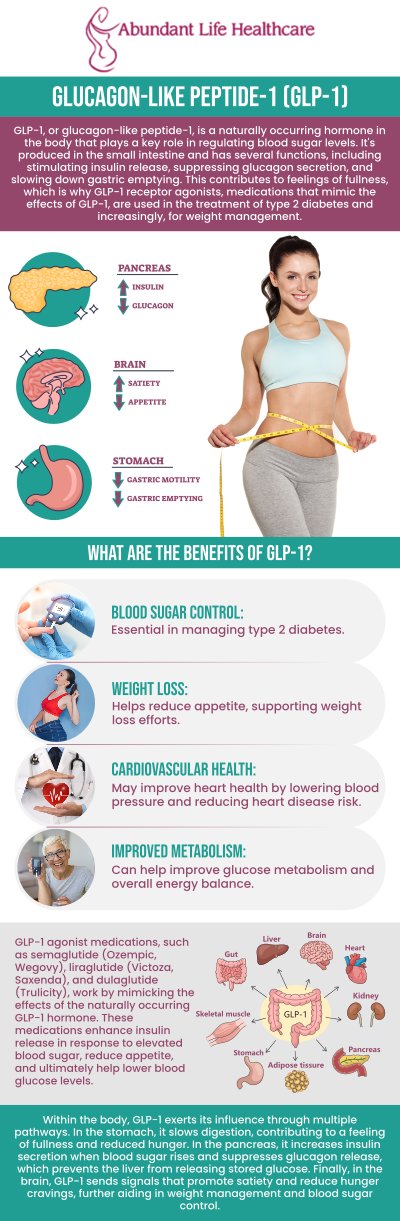
Before the company applied to the FDA for the drug to be approved for obesity, Knudsen and her colleagues 'developed a new methodology to show how [GLP-1] drugs exert their effect on the brain by working on the circumventricular organs and communicating further into the hypothalamus, among other effects.' This was designed to illustrate how GLP-1 worked in 'well- defined neurons in the hypothalamus, in the hindbrain, and in the reward centers.' Their rationale for developing the method was because 'It was very important to show that these medicines work on defined brain circuits and not ones that may be related to psychiatric or cardiovascular side effects, for example' (Nair