Please measure your space before purchase to make sure you choose the right size
The FVC and FEV1/FVC levels in the GSC (p=0.03 and p=0.04, respectively) and combined groups (p=0.04 and p=0.05, respectively) were higher than in the NRT group

These are some of the known carcinogenic chemical compounds produced by a burning cigarette, according to the US National Institute on Drug Abuse: Acetaldehyde: used to produce acetic acid and butadiene Acrylonitrile: used in the manufacture of plastic Aminobiphenyl: prohibited in several countries Arsenic: a highly regulated potent poison Benzene: a toxin used as a pesticide, petrol and explosives manufacturing Beryllium: can cause a pulmonary condition called chronic berylliosis Cadmium: used to produce batteries and in nuclear fission processes Ethylene oxide: high doses cause acute poisoning Formaldehyde: an embalming fluids Furan: increases the risk of hepatocellular and bile duct tumours Hydrazine: used in rocket fuel, fuel cells, and pesticides Isoprene: used in the production of rubber Lead: causes microcytic anaemia and interferes with cognition Polonium-210: highly toxic, radioactive isotope o-Toluidine: causes DNA damage which results in tumours Inhaling tobacco smoke causes damage to many of the bodys organs and systems, according to Better Health Channel

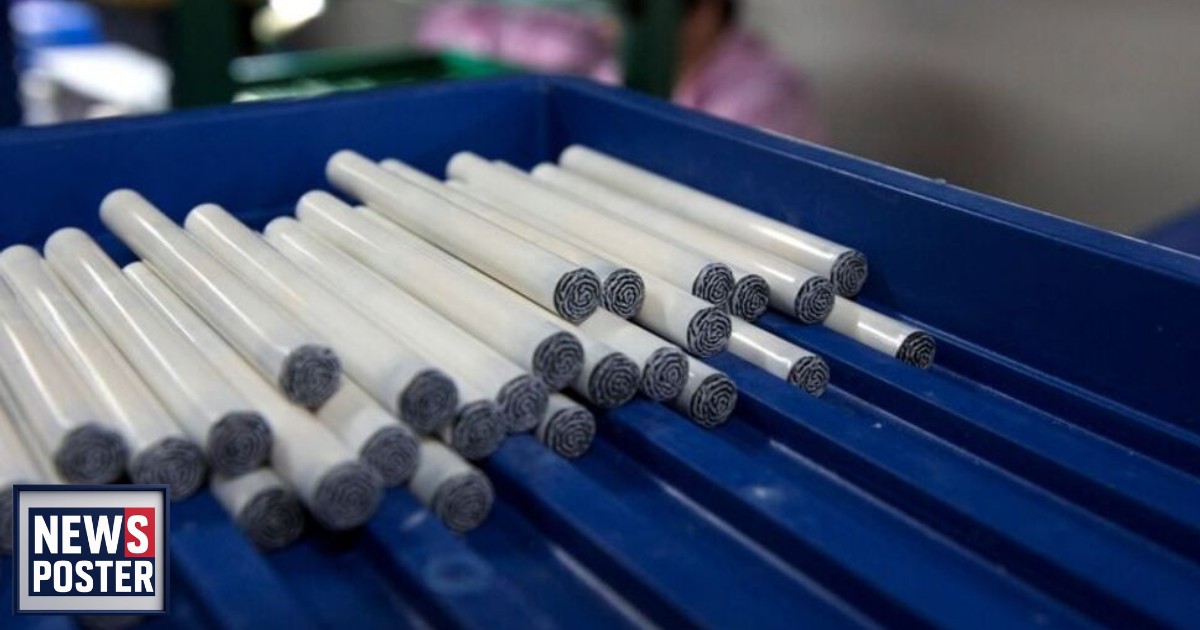
The filter as claimed in claim 19, wherein tobacco fortified with 2 to 4 mg of nicotine increases the nicotine delivery in the main stream smoke from 350400 g to 575700 g without increasing the level of p-BSQ
For men, decreased circulation can make it difficult to get an erection (erectile dysfunction)