As a GLP-1 agonist medication, semaglutide mimics GLP-1 a natural hormone released by your pancreas after you eat
Common examples include exenatide, liraglutide, semaglutide, and dulaglutide
Leading Companies Delivering GLP-1 Nutritional Support Solutions Leading Company - Nestl Health Science Industry Share - 18% In the GLP-1 nutritional support market, leading players are leveraging clinical positioning, micronutrient optimization, and bariatric-friendly formats to target consumers on GLP-1 therapies such as semaglutide and tirzepatide
No more afternoon energy crashes that send you searching for sugar or caffeine
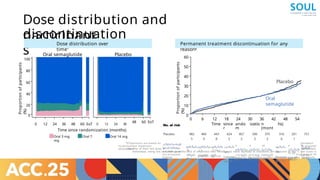
FDA-approved pharmacotherapy alternatives include several options with established safety profiles: Semaglutide (Wegovy): A GLP-1 receptor agonist producing 12-15% weight loss, with cardiovascular benefits demonstrated in the SELECT trial and FDA-approved indication for reducing cardiovascular risk Liraglutide (Saxenda): A GLP-1 receptor agonist producing 5-8% weight loss [4] Phentermine-topiramate (Qsymia): FDA-approved combination producing 7-10% weight loss with established safety data Naltrexone-bupropion (Contrave): Combination targeting reward pathways and appetite, producing 5-9% weight loss [4] Orlistat (Xenical, Alli): Lipase inhibitor producing 3-5% weight loss with gastrointestinal side effects [4] Setmelanotide (Imcivree): For rare genetic obesity disorders (POMC, PCSK1, LEPR deficiency) [4] Metabolic and bariatric surgery should be considered for patients with BMI 40 kg/m or 35 kg/m with obesity-related comorbidities who have not achieved adequate weight loss with nonsurgical interventions