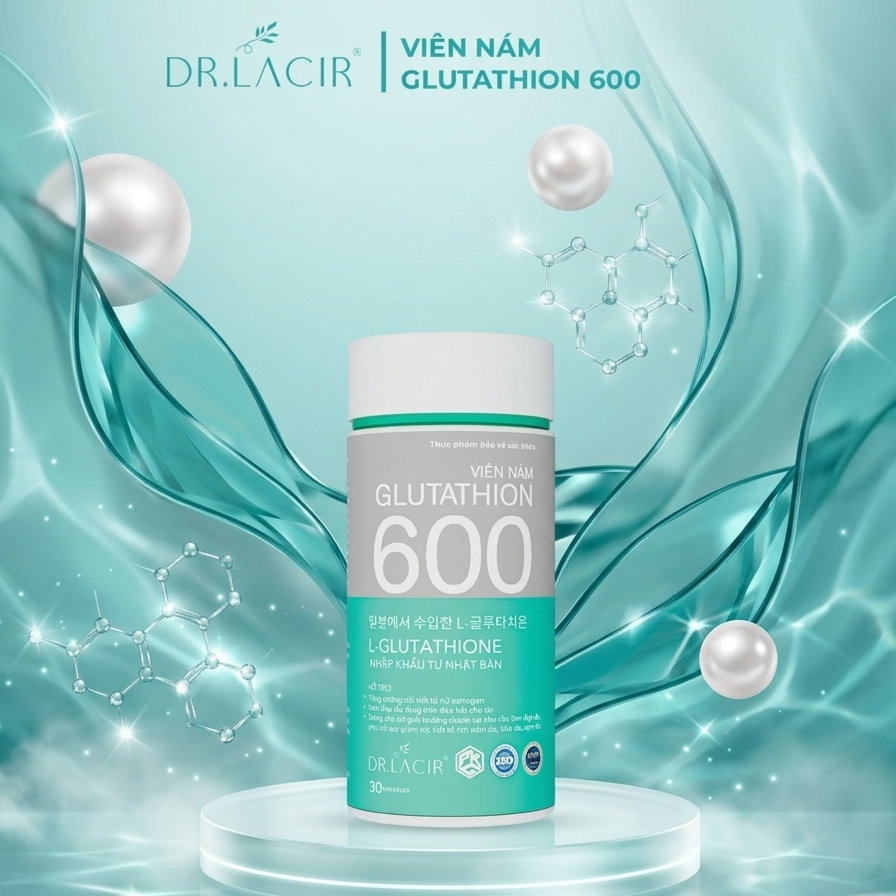
This tripeptide molecule naturally occurs in the human body and plays a crucial role in skin and tissue health
This can show up as symptoms such as delayed growth and development (failure to thrive), regression in neuromotor skills (such as losing the ability to roll over or grasp objects), failure to maintain eye contact (even in an infant who previous could do so), general muscle weakness, lethargy, excessive sleepiness, feeding difficulties, and even brain shrinkage
In the clinical setting, prolonged azole exposure in patients undergoing antifungal therapy may lead to the selection of resistant strains that persist despite treatment and continue to cause infection (Howard et al., 2009)
Treatment of CD33-directed chimeric antigen receptor-modified T cells in one patient with relapsed and refractory acute myeloid leukemia
both can raise intracellular glutathione through their respective routes when dosed appropriately