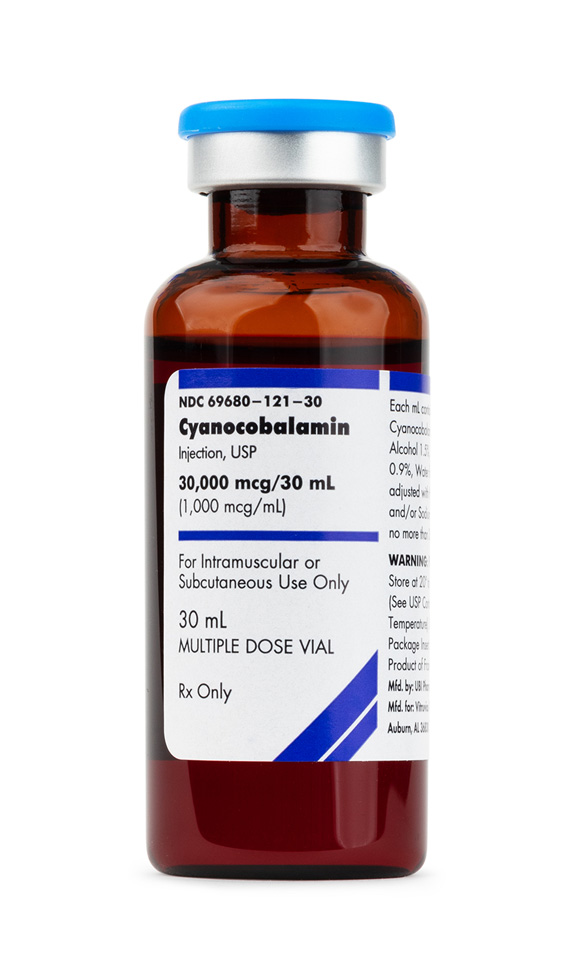
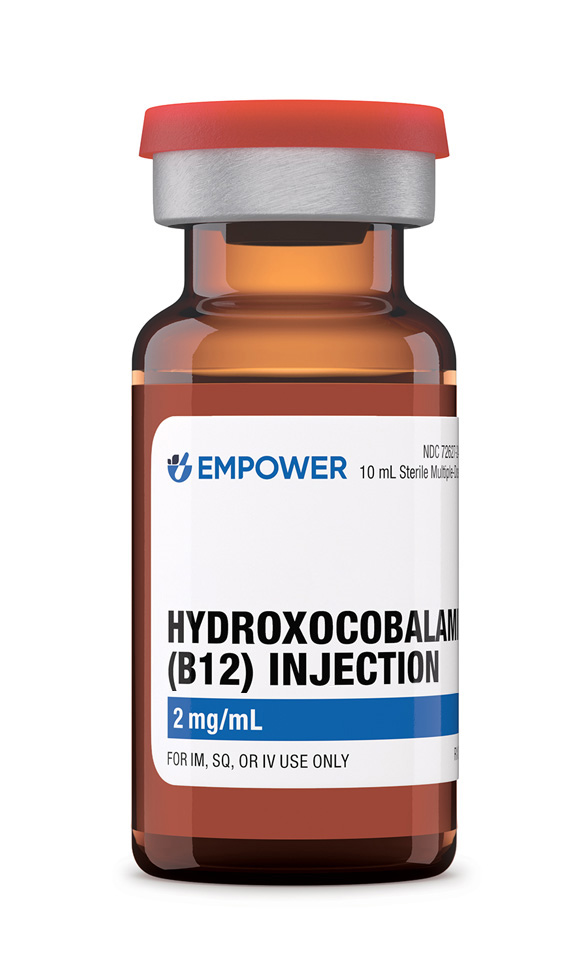
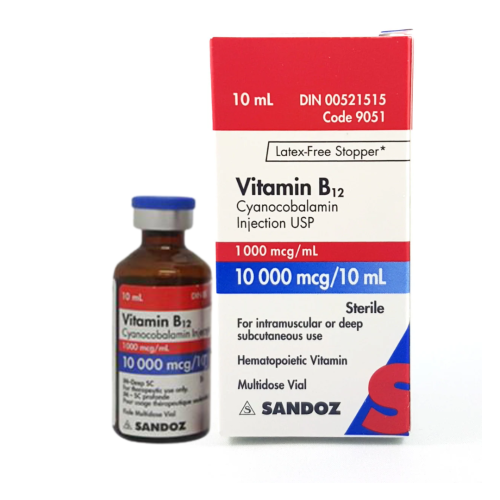
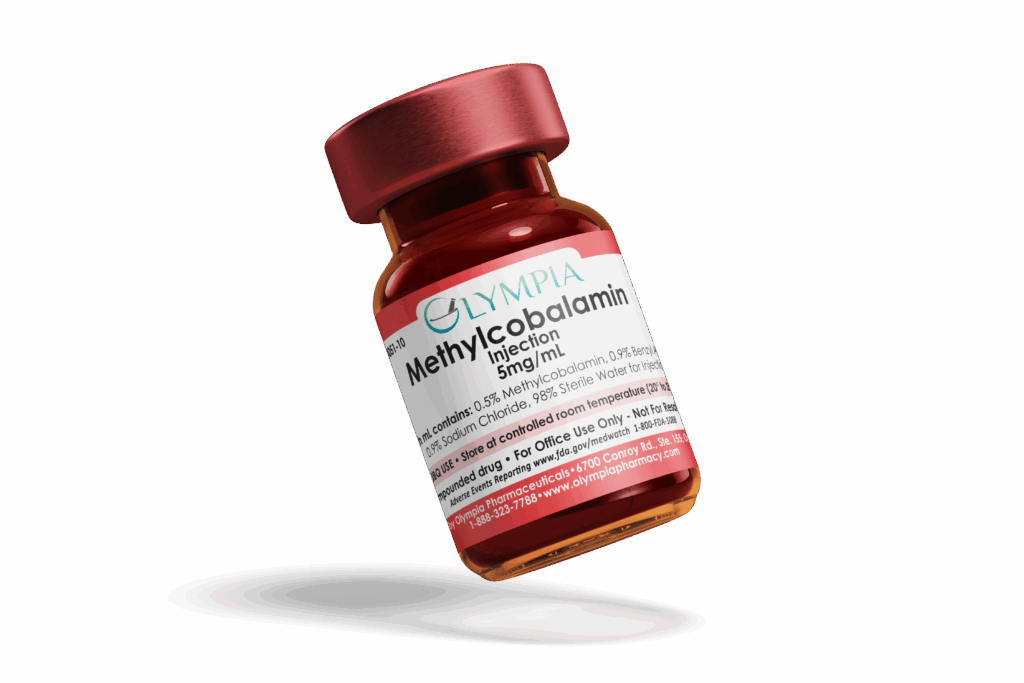
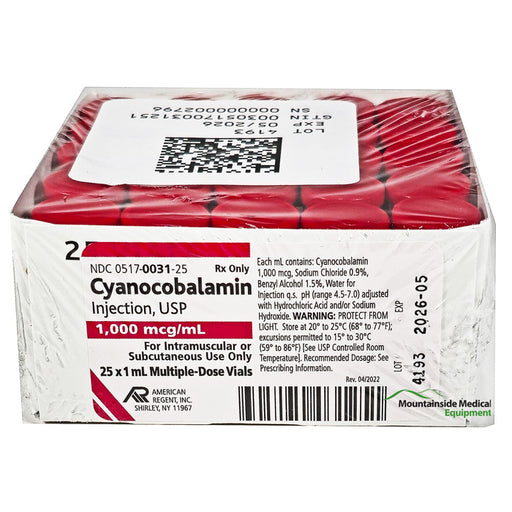
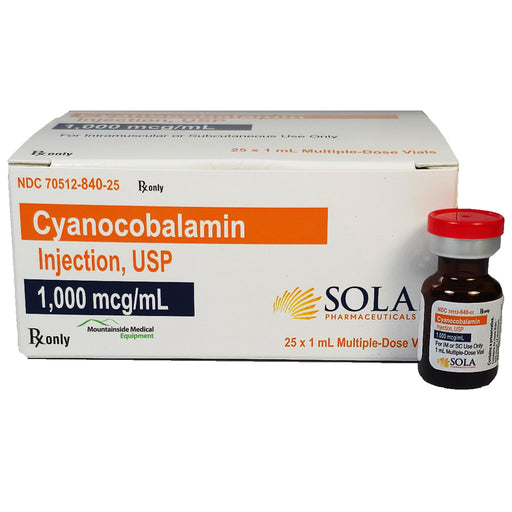
In conditions such as Crohn's, celiac disease, or pernicious anemia, the gut cannot absorb B12 from food well
GLP-1 receptor agonist medications mimic these effects pharmacologically, producing several mechanisms that contribute to weight loss: Reduced appetite and food intake by activating satiety signaling in the brain, these medications meaningfully reduce hunger and food preoccupation for most patients Slower gastric emptying food remains in the stomach longer, prolonging the feeling of fullness after meals Improved insulin sensitivity better glucose regulation reduces post-meal energy crashes that often drive cravings Lower preference for high-calorie foods many patients report shifts in food preferences toward lighter, less calorie-dense options Tirzepatide adds a second mechanism by also activating GIP (glucose-dependent insulinotropic polypeptide) receptors, which is believed to contribute to its greater weight loss effect compared to semaglutide alone
What matters most is consistent technique, proper subcutaneous placement, and adherence to your dosing schedule
Remove both the peptide vial and bacteriostatic water from cold storage and let them reach room temperature
The 6-Month Stabilization Rule: When to Consider Permanent Solutions For more permanent interventions like facial fat grafting, most surgeons recommend waiting until your weight has stabilized for at least six months