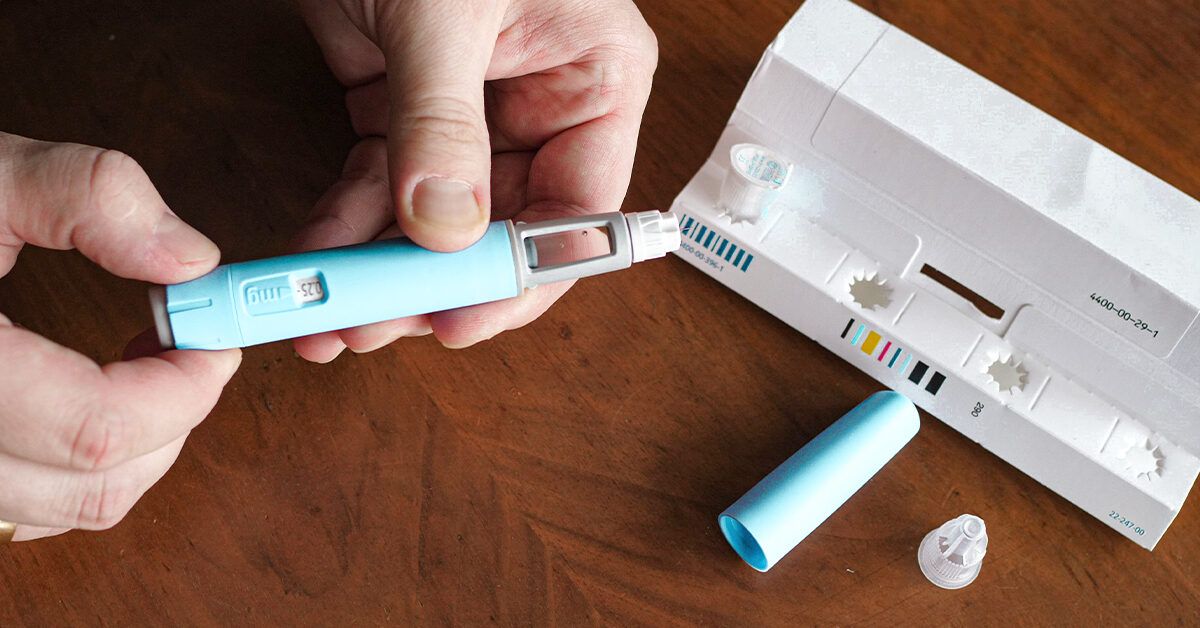
Clinical Benefits of Microdosing: Reduced Side Effects: Lower starting doses minimize nausea, vomiting, and other gastrointestinal symptoms that can lead to treatment discontinuation Individualized Titration: Ability to make small incremental adjustments based on patient response and tolerance Cost Effectiveness: Extended use of each medication vial, making treatment more accessible Improved Adherence: Better tolerability leads to sustained treatment compliance Dosing Protocols for Microdosing: Research supports starting with doses as low as 0.15 mg per week for compounded semaglutide, with gradual titration based on individual response.[5] The flexible dosing allows providers to find the optimal therapeutic dose for each patient while maintaining safety and efficacy
What to Eat on GLP-1: Nutrition Strategies If youre wondering what to eat on GLP-1, here are the main principles of a GLP-1 diet plan: Eat smaller, more frequent meals (to manage initial side effects) Since digestion slows, large or high-fat meals can worsen nausea
Our observations of the study indicate that the virgin olive oil has a significant antihyperlipidemic potential
LOE 2b), LC was used to treat elderly patients aged over 65 years with AD, and the treatment group performed significantly better than the control group on psychological tests [11]
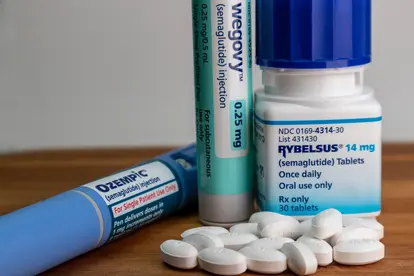
So far, studies show semaglutide is generally safe for long-term use



![PURE Re[Gene] Crème Somptueuse Rajeunissante eye cream](https://cdn.shopify.com/s/files/1/0603/0809/5143/products/mxo2021-08_produit_creme_img01_cream02_final_v1_01.jpg?v=1649770108)